Trades & Field Operations
Production & Supply
Healthcare, Staffing & Education
Professional & Financial
Technology, Media & Events
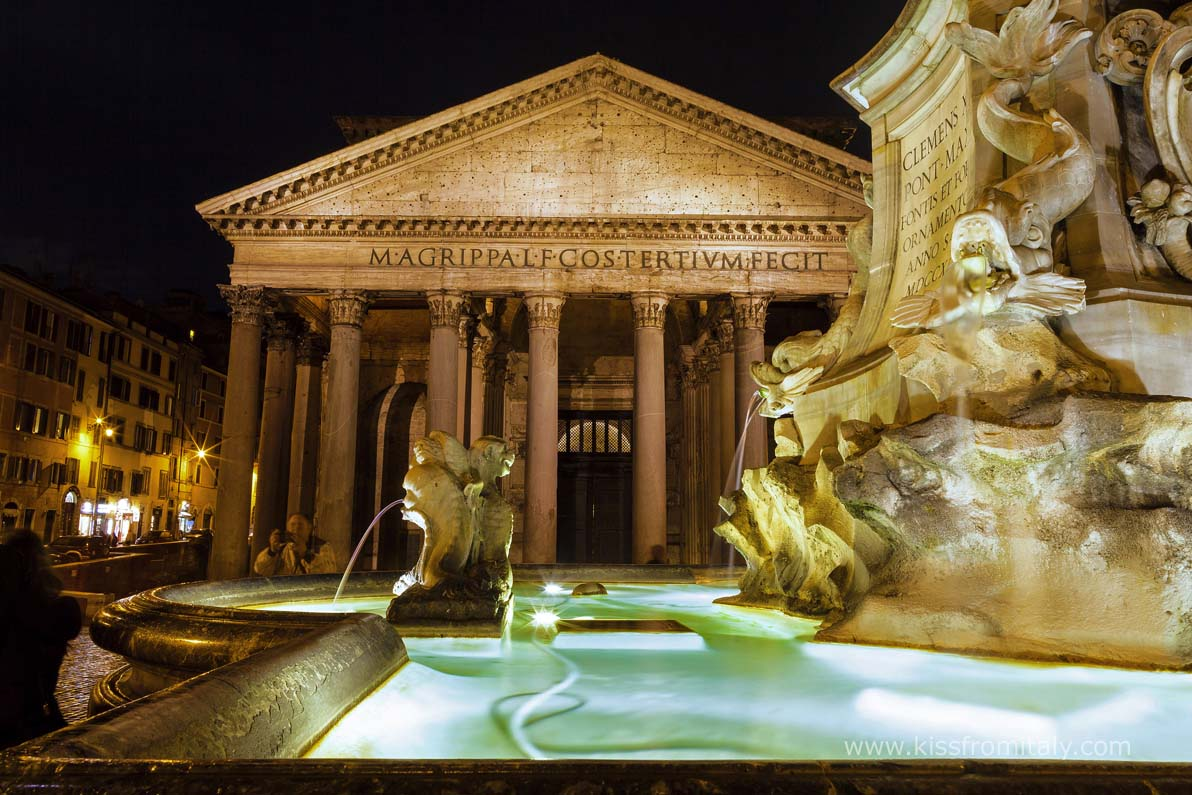
Events & Entertainment
Events & Entertainment Capital
Structured working capital for event operators covering upfront production costs, venue and talent deposits, equipment and event staffing, and the gap between the booking and the final payment.
ELIGIBLE OPERATORS
- •Event production companies
- •Catering and hospitality operators
- •AV and staging companies
- •Venue and banquet hall operators
- •Talent and entertainment agencies
- •Festival and large-format producers
CAPITAL USED FOR
- •Upfront production costs
- •Venue and talent deposits
- •Equipment rental and staging
- •Event staffing and permitting
- •Off-season overhead and storage
- •Corporate receivable gaps
CAPITAL USED FOR
- •Upfront production costs
- •Venue and talent deposits
- •Equipment rental and staging
- •Event staffing and permitting
- •Off-season overhead and storage
- •Corporate receivable gaps
Estimate Your Capital Need
Capital Needs Assessment. Events & Entertainment
Enter your operating profile to estimate your working capital gap and recommended facility structure.
Estimated Capital Profile
Booking cycle gap
$666,667
Revenue held in the payment cycle
Production cost exposure
$270,000
Committed before any revenue arrives
Estimated capital gap
$921,700
Identified capital need
This figure reflects the capital committed to events you have already booked but not yet been paid for. Production cost lands months before the event and final payment lands weeks after it, and deposits rarely cover the full outlay. Most event operators structure against booked contracts rather than against a single month of revenue, so the facility carries production cost through the event date and clears as final payments arrive. A typical first facility ranges from $150,000 to $550,000 depending on event volume, production cost per booking, and how long final payments take to clear. Enter your contact information below to see how this would be structured for your operation.
Request a Capital Review. A capital advisor will review your assessment and follow up to discuss structure options.
Estimates are for advisory reference only. All structures subject to full financial review.
Built for Active Events & Entertainment Companies
We work with established event operators managing production costs that are paid out months before the events that generate them are settled.
- Event production and management companies running a booked calendar where venue holds, talent deposits and crew costs are paid long before the client's final payment clears
- Catering and hospitality event operators carrying food, beverage, rental and labor cost across multiple simultaneous events on corporate payment terms
- AV and staging companies owning or renting equipment that has to be on site and operating before a single line of it becomes billable
- Venue and banquet hall operators covering year-round facility overhead against revenue that concentrates into a handful of booking months
- Talent and entertainment agencies fronting performer deposits and travel against settlement that arrives after the date has already passed
- Festival and large-format producers committing permits, infrastructure, security and staging capital a full season ahead of gate and sponsorship revenue
Most clients generate $200K to $1M+ in monthly revenue and hold signed event contracts whose deposits do not cover the full cost of production.
Typical Working Ranges
Production cost bridge and seasonal staffing across booked events before final payment clears.
Equipment, inventory and venue commitments that have to be secured before any of it is billable.
Large-scale productions and multi-venue expansion where outlay runs months ahead of collection.
All structures are tailored to event volume, production cost timing, and the length of your booking cycle.
Where Capital Is Deployed
- Upfront production costs before event dates
- Venue holds and deposit requirements
- Talent, performer and travel deposits
- Equipment rental, purchase and staging
- Event staffing, labor and permitting
- Off-season overhead and inventory storage
- Net 30 to net 60 corporate receivable gaps
Structured Review Process
- 1.Review of booked event calendar and production commitments
- 2.Review of recent business performance
- 3.Capital structure options presented
- 4.Funding aligned to production timelines and final payment cycles
A Capital Advisory Approach
We work directly with private capital sources and specialty lenders who understand event production. That means funding structured around deposit schedules that never cover the full production outlay, revenue that concentrates into a few months against year-round overhead, and corporate clients who settle 30 to 60 days after the event is already over. Not generic terms from a bank that doesn't know the industry.
- Structures built around a booked event calendar
- Seasonality treated as a pattern, not a red flag
- Advances that account for deposits already collected
- Long-term capital access as operations expand
Illustrative Structures
Illustrative examples of how capital is typically structured in this sector. These are composite scenarios for reference, not past engagements.
Situation
An AV and staging company producing roughly $480K in monthly revenue held four corporate contracts running into the same eight-week window. Equipment rental, freight, crew and venue labor totaled about $310K in outlay, and client deposits covered a third of it. Final payments were contracted at net 45 from event close.
Structure Deployed
A $400K structured working capital line, drawn against signed contracts rather than a single month of revenue. Draws were released against production milestones as each event mobilized, and each draw cleared as that event's final payment settled.
Outcome
All four events were produced on the original schedule without deferring crew pay or releasing equipment holds. The line revolved through the remainder of the season and stayed available for the following booking cycle.
An AV and staging company producing roughly $480K in monthly revenue held four corporate contracts running into the same eight-week window. Equipment rental, freight, crew and venue labor totaled about $310K in outlay, and client deposits covered a third of it. Final payments were contracted at net 45 from event close.
A $400K structured working capital line, drawn against signed contracts rather than a single month of revenue. Draws were released against production milestones as each event mobilized, and each draw cleared as that event's final payment settled.
All four events were produced on the original schedule without deferring crew pay or releasing equipment holds. The line revolved through the remainder of the season and stayed available for the following booking cycle.
Situation
A festival and large-format producer generating about $850K in monthly revenue during a four-month season carried year-round staffing, storage and permitting costs. Site infrastructure, security and staging for the coming season required roughly $900K committed before gate and sponsorship revenue arrived.
Structure Deployed
A $1.1M facility combining an asset-based component secured by owned staging and production equipment with a bridge tranche sized to the pre-season commitment window. Repayment was set against the season's settlement schedule rather than a flat monthly amortization.
Outcome
The season was fully funded ahead of the first gate. Off-season overhead was carried on the same facility, and the asset-based component remained in place as a standing line for the following year.
A festival and large-format producer generating about $850K in monthly revenue during a four-month season carried year-round staffing, storage and permitting costs. Site infrastructure, security and staging for the coming season required roughly $900K committed before gate and sponsorship revenue arrived.
A $1.1M facility combining an asset-based component secured by owned staging and production equipment with a bridge tranche sized to the pre-season commitment window. Repayment was set against the season's settlement schedule rather than a flat monthly amortization.
The season was fully funded ahead of the first gate. Off-season overhead was carried on the same facility, and the asset-based component remained in place as a standing line for the following year.